We opened Transitioning LANDscapes in the Rhône delta with three packed days hosted by Le Citron Jaune — walking salt flats and port perimeters, meeting researchers and local users, and shaping the first briefs around pollution, flooding and everyday life in the Camargue.
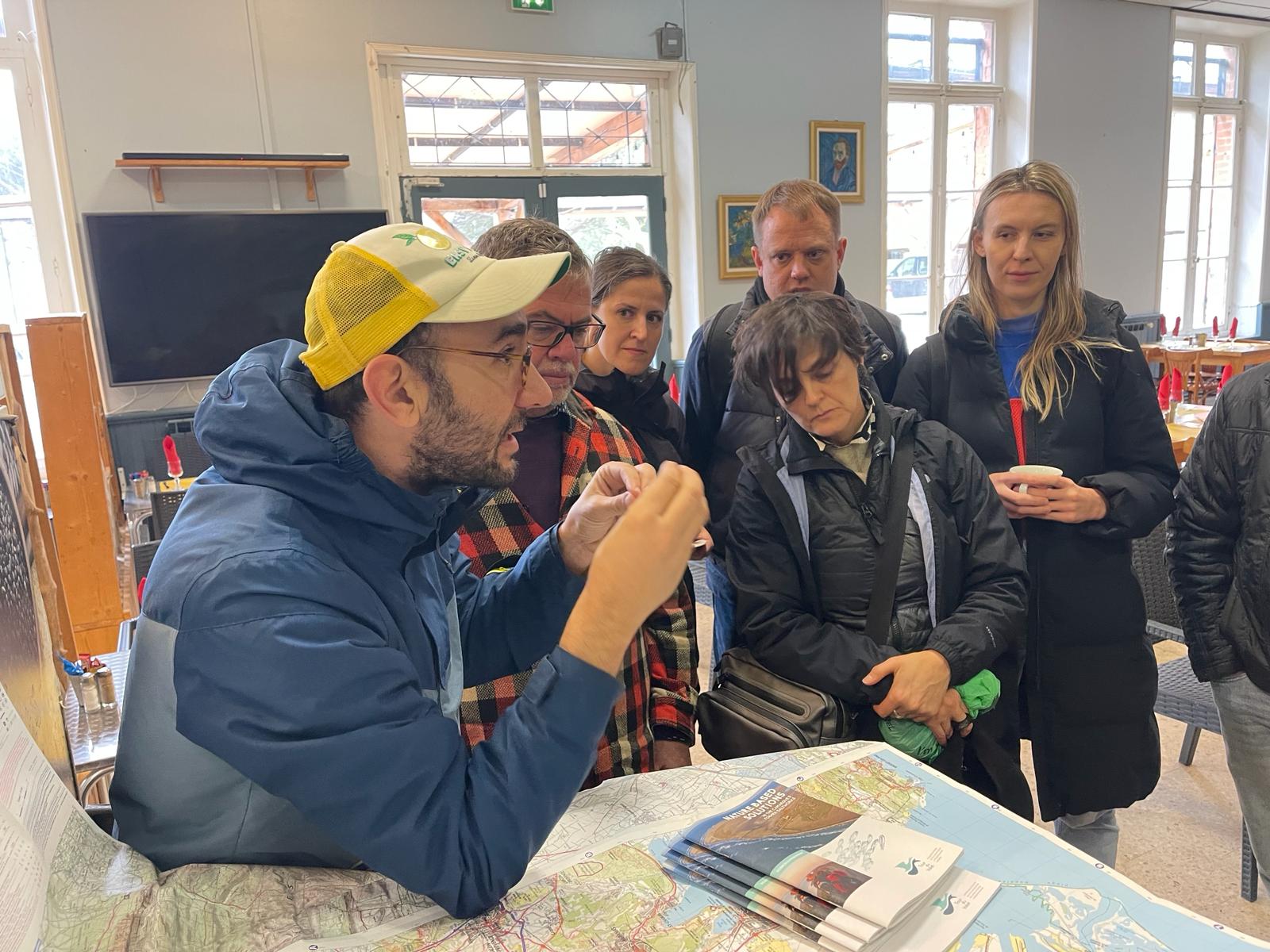
Le Citron Jaune welcomed the LAND partners to Port-Saint-Louis-du-Rhône for a combined project kick-off and first matchmaking visit from 25–27 March 2024. The plan was simple: start in the field, listen to the people who know this place, and set clear directions for the work to come.

We began with a short indoor session to align on aims and ways of working before heading out. The visit was designed around two urgent themes — pollution and flooding — and built with local partners so those issues stayed close to real lives and decisions.
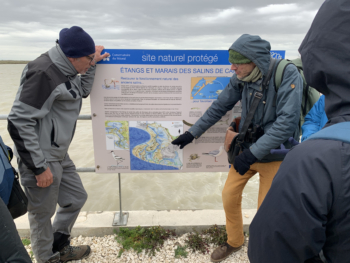
The first day took us to the old saltworks at Salin de Giraud, co-hosted by scientists from La Tour du Valat and land stewards from the Parc naturel régional de Camargue and the Réserve nationale. We heard how rising seas, shifting salinity and a changing Rhône are rewriting the rules of this coast — and how hard it is to communicate those changes to farmers, fishers and hunters whose livelihoods are bound up with the land.
The next day crossed the river to the (post-)industrial Port of Marseille/Fos-sur-Mer, where the Institut éco-citoyen and the Bureau des Guides shared how residents use data, storytelling and citizen science to understand pollution’s impact on bodies, air and soil. Seen alongside the protected wetlands, the contrast sharpened the question we’ll keep returning to: how can art hold these connected realities together rather than treating them as separate worlds?
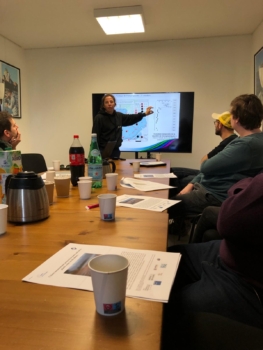

Who was around the table mattered. Alongside the core partners, the programme brought together ecologists, land managers and local users — from a fisher-guide to a nearby winemaker — whose knowledge shaped the conversations and will keep shaping the work. Activate Performing Arts (our training partners) also used the visit to strengthen links between La Tour du Valat and the Parc naturel régional de Camargue, so artistic plans and environmental stewardship move in step.
By the end of the three days, the outline of Le Citron Jaune’s briefs was clear: connect climate science to lived experience; treat the Camargue and the port as one interdependent territory; and keep the voices of people who live with change at the centre. Those ideas now feed the wider LAND selection process and the residencies to come.
___________________________________
For LAND, the matchmaking visits are a new way of working. They bring local expertise and visiting partners together to read a landscape side by side and turn that shared reading into workable briefs for artists. Starting in the Camargue — a place caught between wetlands and one of Europe’s largest ports — set the tone for the whole project: people, place and practice in the same conversation.