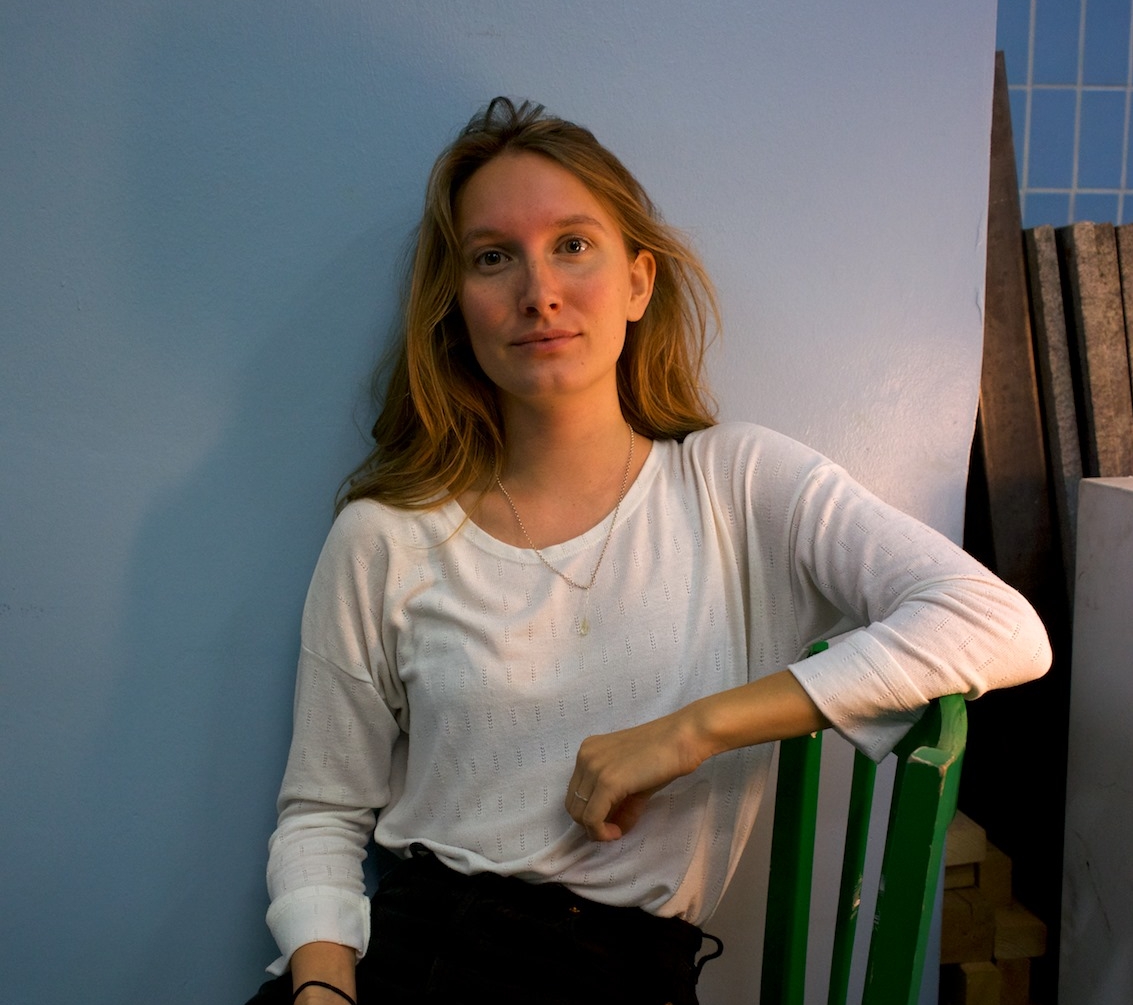
We’re delighted to introduce the first of our artists for Transitioning LANDscapes: Rita Hoofwijk will work with Le Citron Jaune in southern France. Her practice is known for quiet, site-responsive encounters that invite audiences to look — and listen — differently to the places they’re in. It’s a thoughtful match for a territory balanced between the fragile wetlands of the Camargue and the industrial perimeter of the Marseille–Fos port.
Rita steps into a context we explored together in the spring: salt lagoons and reed beds on one side of the Rhône; container stacks and petrochemical plants on the other. The briefs that emerged from that visit point to two linked questions. First, how do eco-emotions — the feelings that surface when change is close to home — shape understanding and action? Second, what does it mean to think and act between species, in a place where human systems and wildlife meet every day? Local research partners La Tour du Valat and the Institut éco-citoyen will help connect artistic work to science and community experience.
As agreed at our September meeting, Rita is invited to draw from both local briefs rather than being tied to a single topic from the outset — staying responsive to what fieldwork reveals. Rita will begin with time on the ground, meeting residents and stewards, then shape how, where and with whom the work is shared. Public moments follow in 2025.
About the place: Le Citron Jaune sits right on the threshold between two “worlds”: the protected Camargue and Europe’s large Marseille–Fos port. It’s an ideal vantage point for art that tests connections — between data and daily life, between species, and between landscapes that are closer than they seem. We’ll share more as Rita’s residency plan takes shape.