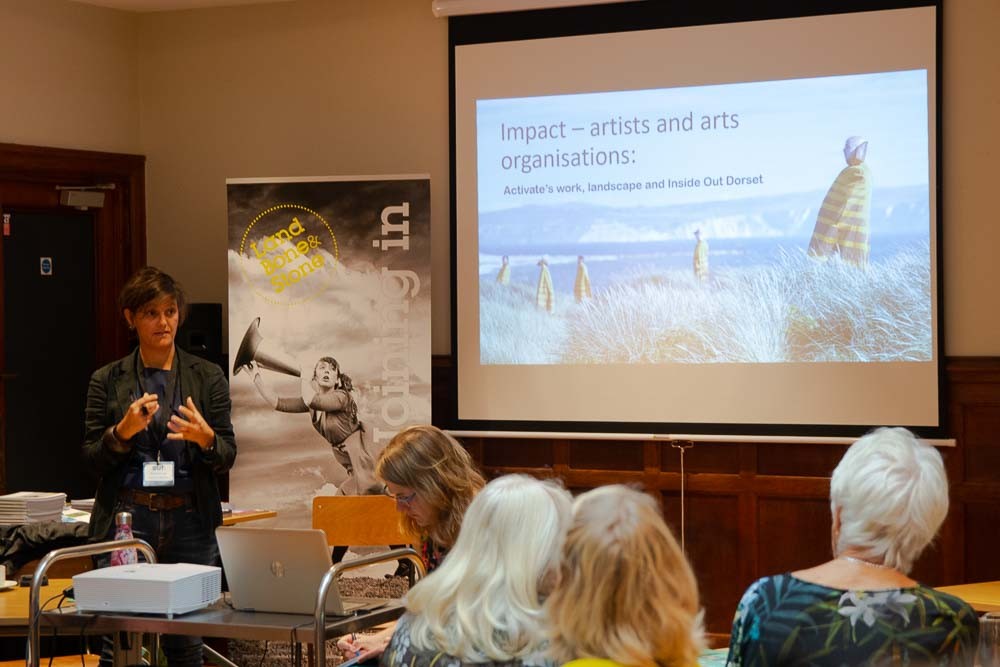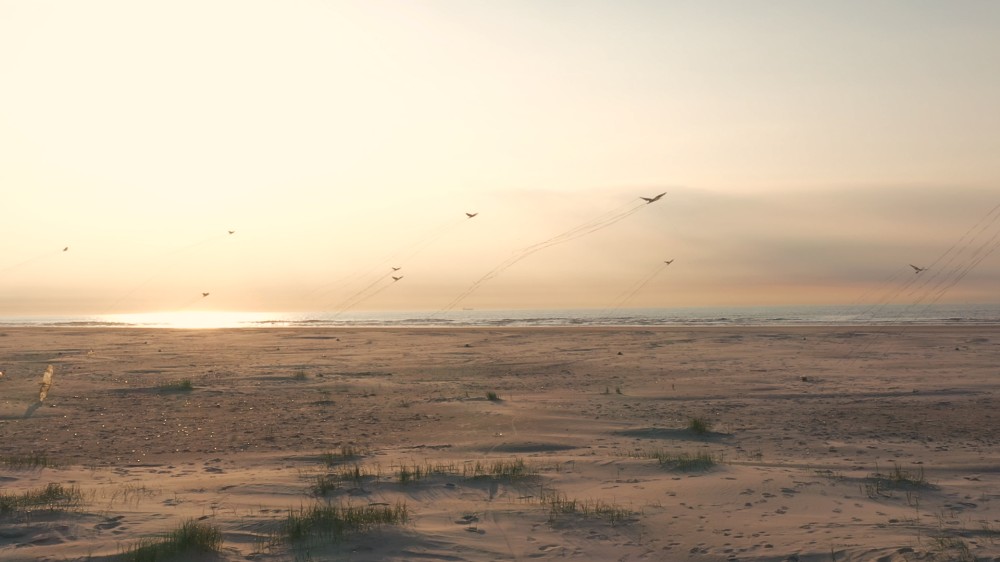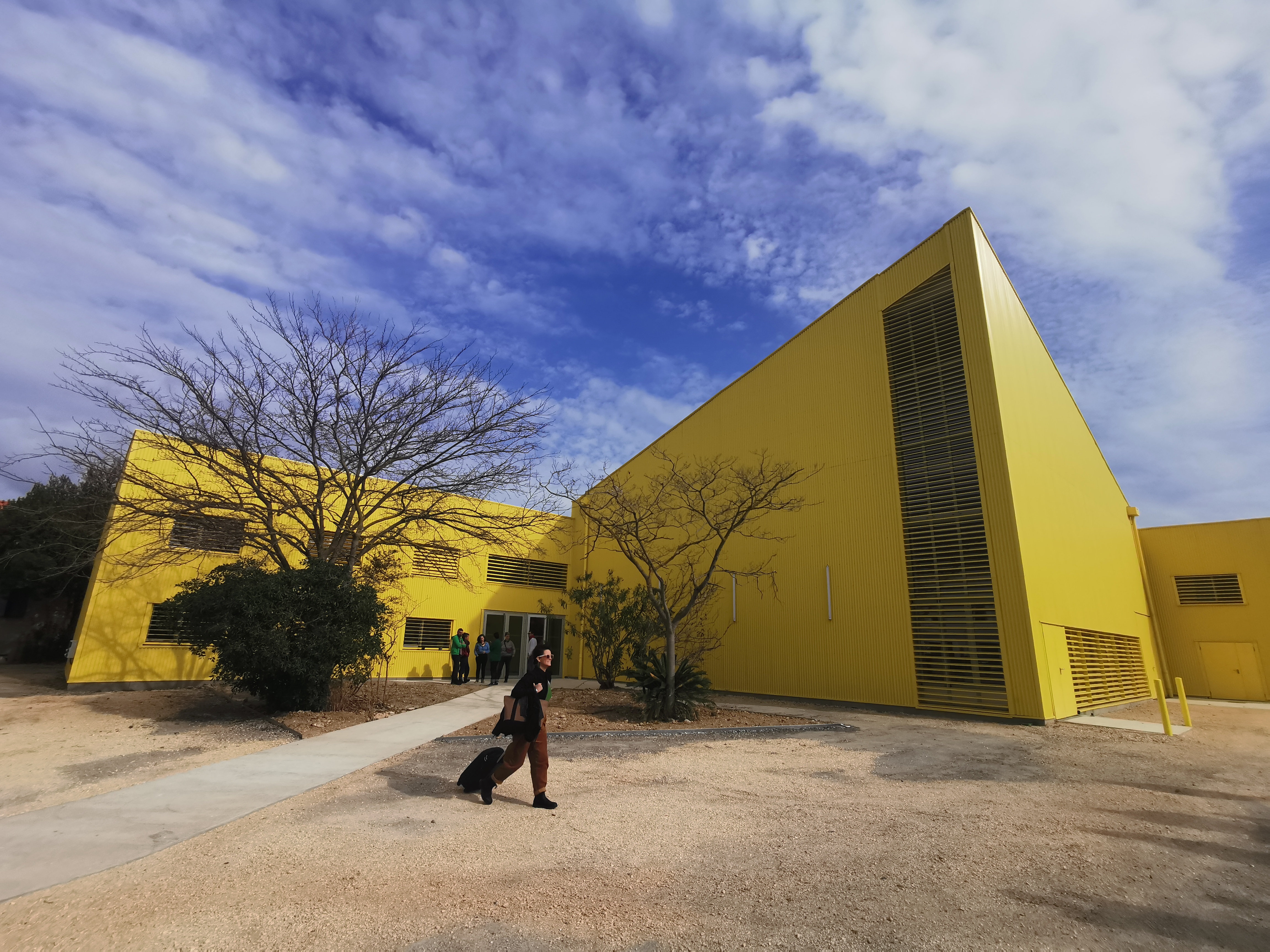
The final partner meeting of working in LANDscapes took place in and around Port-Saint-Louis-du-Rhône from 21–25 February 2023, hosted by Le Citron Jaune. The week combined practical evaluation with field visits that reflect the region’s contrasts: wildlife-rich wetlands, an industrial shoreline and a town set between river and sea.
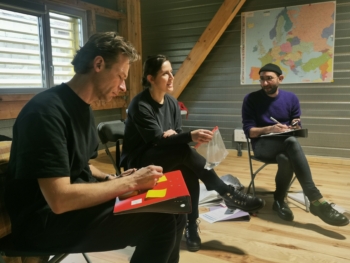
Partners arrived via Arles and gathered at Le Citron Jaune’s new building for coffee and a tour before settling into the review sessions. The core programme ran 22–24 February, starting with an Erasmus+ project review and a hands-on evaluation of LAND’s journey to date. Each organisation brought an object to spark reflection, shared two-minute statements, and built a collective “word cloud” of learning and values—an exercise that surfaced recurring themes around sustainability, working with local landscapes and communities, and doing so together.
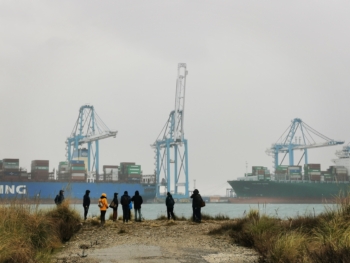

Time on the ground mattered too. A visit to Tour du Valat in the Camargue paired a meeting with a walk through the wildlife reserve, bringing research perspectives into the conversation about art in sensitive environments. Later, an expedition to Fos-sur-Mer with the Bureau des Guides traced the industrial perimeter of the Étang de Berre, widening the lens from nature conservation to heavy infrastructure and coastal change. These site visits sat alongside lunches and working sessions back at Le Citron Jaune, giving space to compare contexts and discuss how artists and producers navigate permissions, stakeholders and long-term care for sites.
The meeting also looked outward. Conversations with local interlocutors—including Chair et d’Os—helped connect LAND’s questions to the host territory’s cultural ecosystem, while the schedule acknowledged Le Citron Jaune’s reopening period as the centre settles into its renewed premises.

By the end of the week, partners had a clear wrap-up and a list of future intentions: document the outcomes, keep sharing methods, and build on relationships formed across Slovakia, the Netherlands and Norway. The gathering in the Camargue felt like the right place to close—where wetlands, river and industry meet—and to set the tone for what follows beyond Erasmus+.