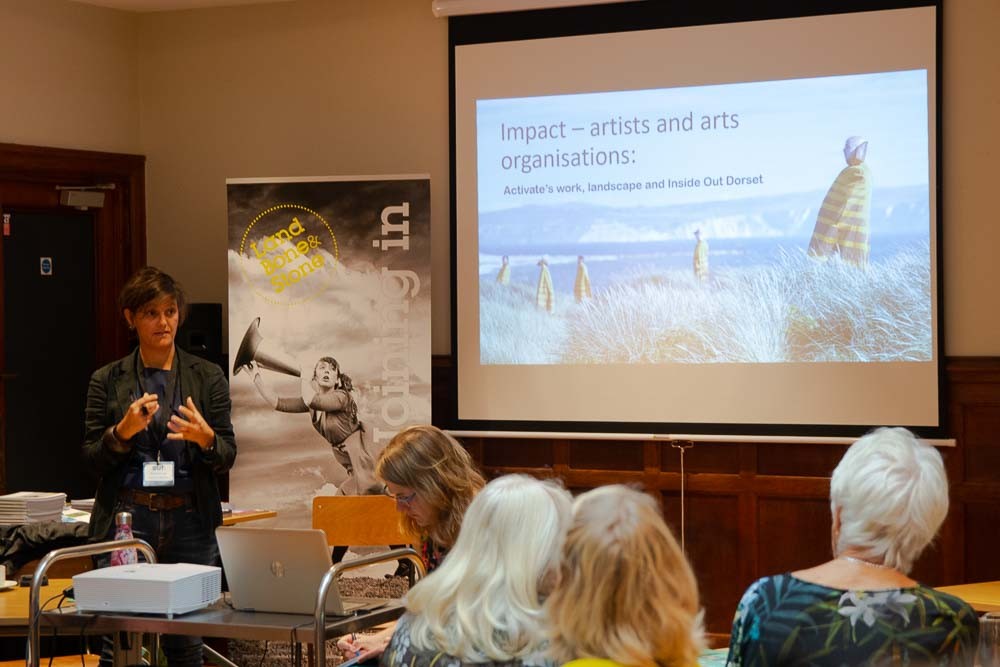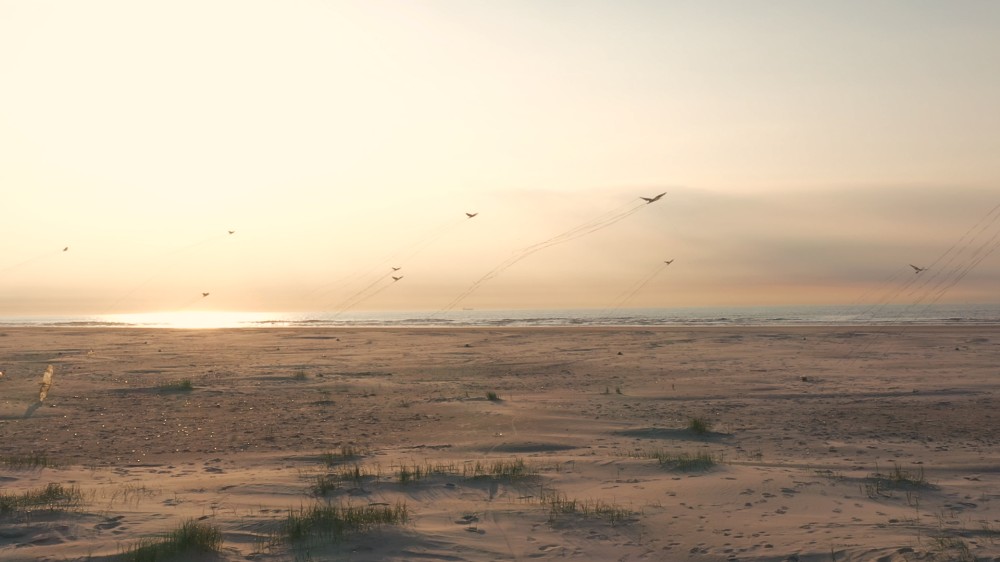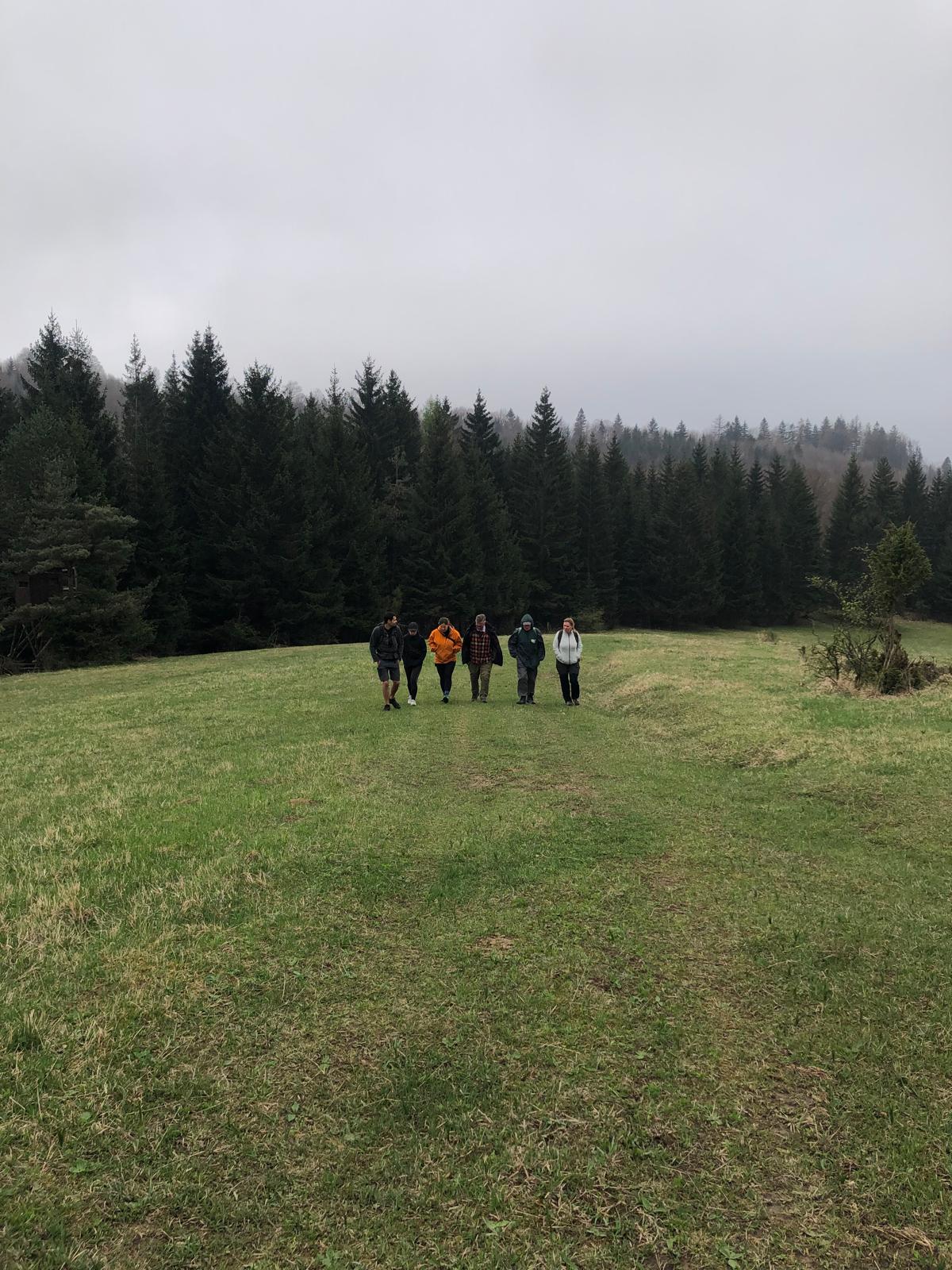
In early April, the LAND partners travelled to north-west Slovakia for the second matchmaking visit of Transitioning LANDscapes. Hosted by SYTEV with Aktívny Park Rajec, the group spent three days in the Rajec Valley, a landscape of beech woods, meadows and mineral springs, crossed by the Rajčianka river.
This was no ordinary site visit. The Rajcianka had run completely dry during the summer of 2022 — a stark reminder of how climate stress, extraction and land management meet in visible, and sometimes devastating, ways. Against this backdrop, the visit became an urgent conversation about water as both lifeline and fault line.
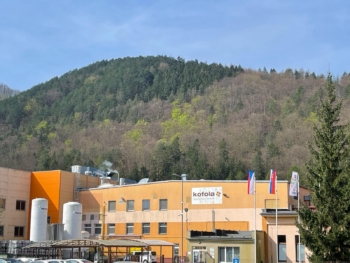
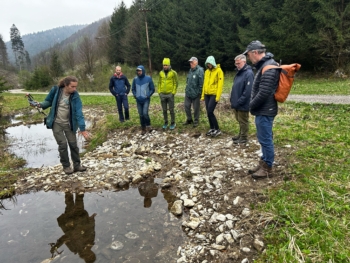
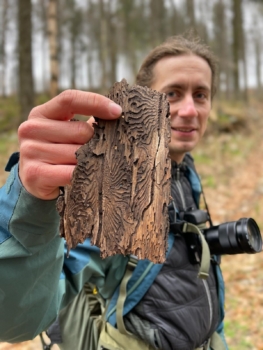
The mornings were spent walking with hydrologists and volunteers from Kvapka, who map the flows of rainwater and soil, teaching practical methods of retaining and redirecting it. Forest paths and high meadows revealed another layer through the voices of My sme les (“We Are the Forest”), the civic initiative whose campaigns have shifted debates around Slovakia’s national parks. In between, partners met rangers from the Malá Fatra National Park and visited local producers — including Kofola, which drills into mineral reserves, and Leros, a herbal processor — to better understand how industry and ecology are intertwined in everyday life.
What emerged was not just a collection of facts, but a recognition of two persistent themes: the scarcity of water, and the way debates about it quickly become polarised. Environmental issues here are inseparable from politics, and working across that divide will be essential. That is where LAND’s approach comes in — using artistic practice to create dialogue between groups who do not usually meet.
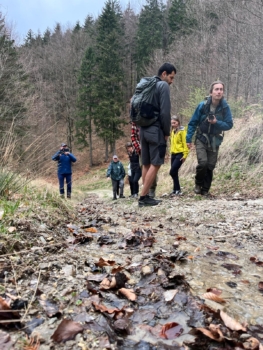
The group gathered in the evenings at Stanica Žilina–Záriečie, where discussions circled back to the day’s encounters and began shaping a shared brief for artists to respond to. Alongside the Slovak hosts and local experts were visiting partners from Oerol (NL), Le Citron Jaune (FR) and Activate Performing Arts (UK). Together they tested the method that will run through the whole project: reading a landscape together, and turning that collective reading into an invitation for artistic work.
For LAND, these matchmaking visits are a new experiment. They draw together local expertise and international perspectives, so that the questions asked of artists are rooted in lived experience.